Noris - Sibo

NORIS-SIBO Marine Automation Systems: Smart Vessel Control Solutions
Class-Certified, Future-Proof Marine Automation: Through its cooperation with NORIS-SIBO, YAF Group supports shipowners, ship managers, shipyards and marine operators with integrated marine automation, vessel monitoring and power management solutions developed for project-specific class, flag-state and technical requirements.
With more than 8,000 successful installations worldwide, NORIS-SIBO develops automation hardware and integrated control technologies designed to improve vessel reliability, operational visibility and onboard efficiency. Depending on the approved project scope, systems can be supplied with the required class documentation, test records and certification package.
From engine room monitoring and alarm management to power distribution, propulsion control and integrated bridge systems, each project is evaluated according to the vessel type, technical specification, classification requirements and operational needs.
Why Choose NORIS-SIBO Marine Automation?
Marine downtime can create significant operational, commercial and safety risks. NORIS-SIBO marine automation systems are designed to provide centralized control, real-time monitoring and intelligent operational data across essential vessel systems.
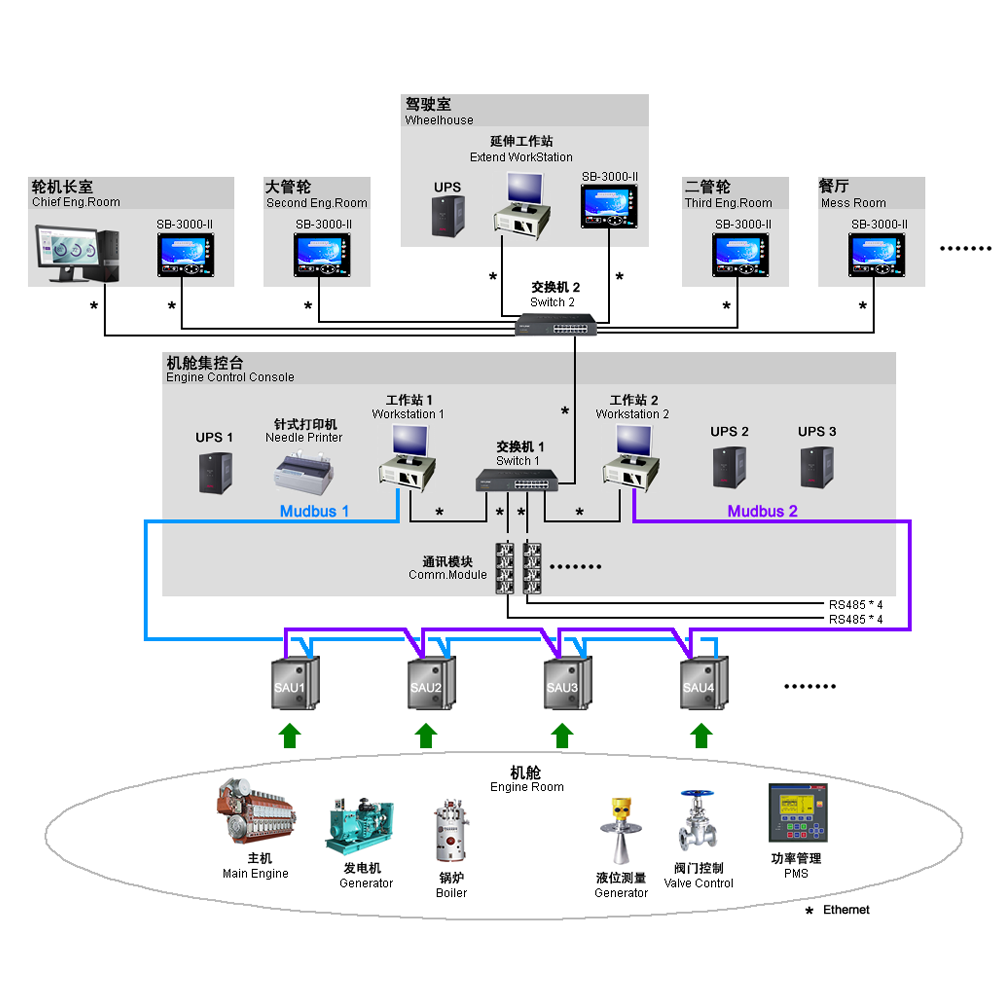
The integrated system architecture allows ship operators to monitor critical equipment, identify developing faults and manage vessel functions from a unified interface. Depending on the project configuration, remote diagnostics and data logging can also support predictive maintenance planning and reduce long-term operating costs.
Core Marine Automation Solutions
| Marine Automation Solution | Operational and Strategic Value |
|---|---|
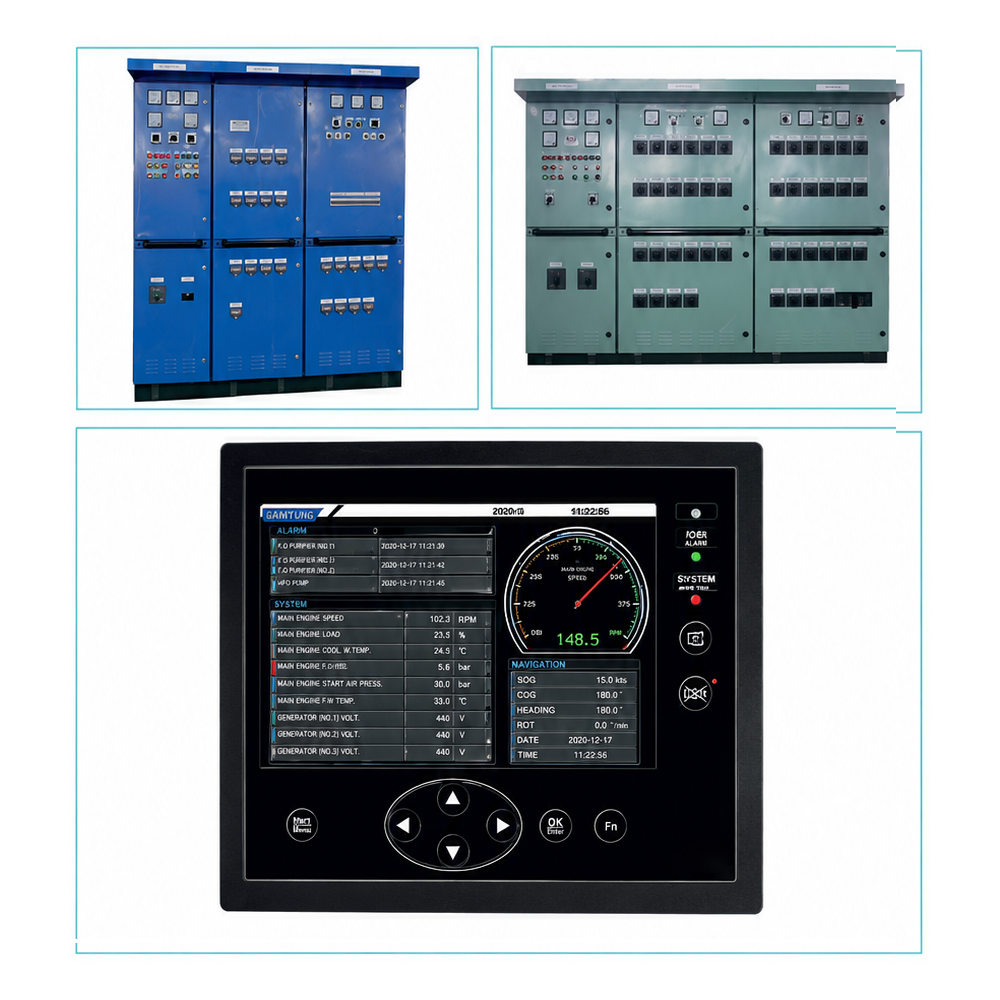
| Smart Alarm Monitoring System – AMS | Centralized touch-screen monitoring with alarm management, real-time operational visibility, data logging and remote diagnostic capabilities. |
| Power Management System – PMS | Automatic generator and electrical load management designed to improve power availability, energy efficiency and operational reliability. |
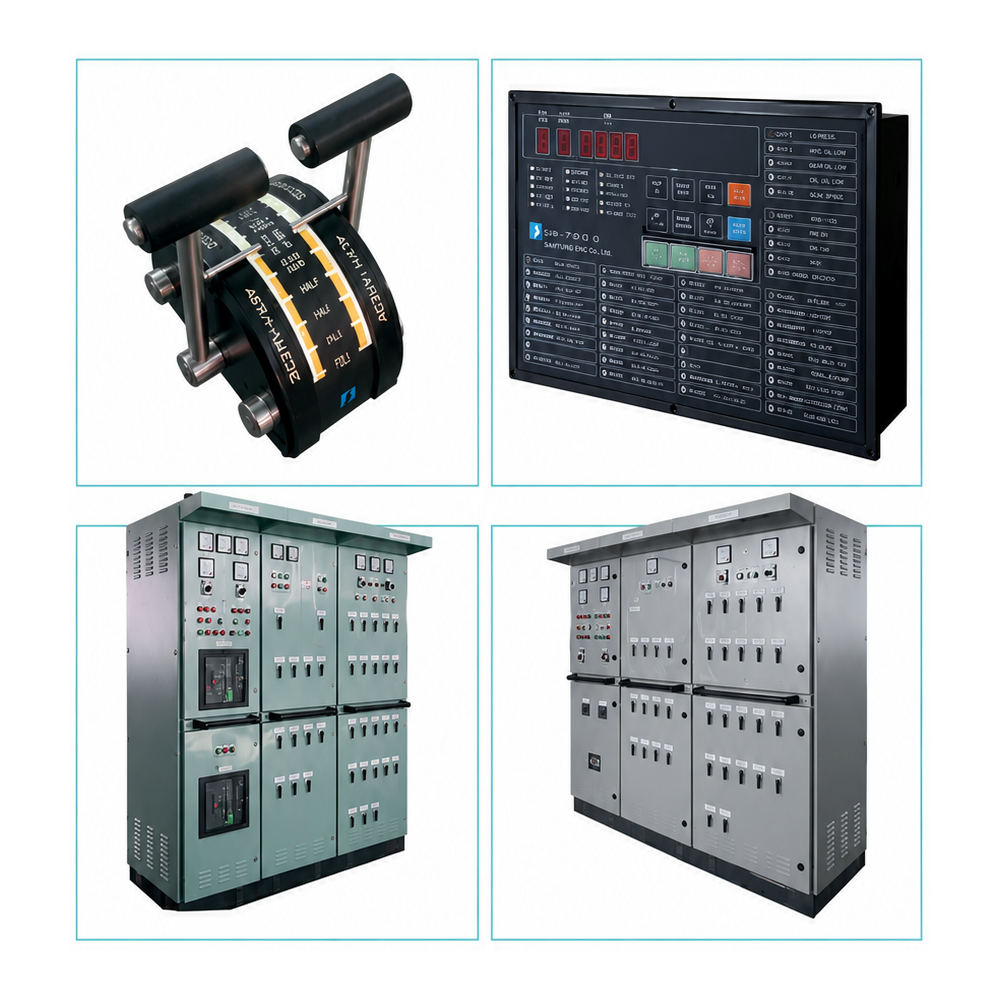
| Marine Switchboards | Marine-grade main and emergency switchboards engineered according to project specifications and applicable IEC requirements. |
| Engine Safety and Control | Integrated engine start, stop, safety shutdown and emergency control functions supporting reliable machinery operation. |
| Integrated Bridge System | Ergonomic bridge consoles that bring navigation, communication, propulsion and automation interfaces together for improved situational awareness. |
| Remote Diagnostics and Data Logging | Historical data recording and remote technical analysis capabilities supporting faster troubleshooting and predictive maintenance. |
Smart Alarm Monitoring System – AMS
The NORIS-SIBO Smart Alarm Monitoring System provides a centralized platform for monitoring alarms, machinery conditions and essential vessel parameters. Operators can view system status, active alarms, historical data and equipment information through an intuitive touch-screen interface.
Marine Power Management and Switchboard Solutions
NORIS-SIBO power management systems help coordinate generators, electrical loads and power distribution equipment across the vessel. The system can be configured to support automatic generator start and stop, load sharing, synchronization, blackout prevention and power restoration functions.
Engine Safety, Propulsion and Vessel Control
NORIS-SIBO automation solutions can integrate engine safety, propulsion control and auxiliary machinery functions into a coordinated vessel control architecture. The objective is to improve operational control while supporting safe engine start, stop and emergency shutdown procedures.
Integrated Bridge Automation
Integrated bridge solutions combine vessel navigation, propulsion, communication and automation interfaces within an ergonomic control environment. This unified approach helps bridge personnel access critical information efficiently and maintain improved situational awareness during vessel operations.
Each bridge console and control system can be evaluated according to vessel layout, bridge arrangement, equipment interfaces, class requirements and customer-specific operational preferences.
Why Class Certification Matters in Marine Automation
Marine automation equipment is directly connected to critical vessel functions, including machinery alarms, generator management, emergency shutdowns, propulsion interfaces and power distribution. For this reason, equipment selection should not be based only on price or basic technical compatibility. The applicable class approval, certification scope, test documentation and project acceptance requirements must also be verified.
Using products without the required class approval, traceable documentation or project acceptance may create serious technical and commercial exposure.
Classification and International Compliance
NORIS-SIBO marine automation systems can be engineered and supplied according to applicable project, flag-state and classification requirements. Subject to the selected product, approved configuration and project scope, documentation may be prepared in line with the requirements of major classification societies and international marine standards.
Marine Automation Applications
Information Required for Marine Automation Projects
To evaluate a newbuilding, retrofit or system modernization request accurately, customers should provide as much technical and operational information as possible.
Frequently Asked Questions
What is a marine automation system?
A marine automation system centrally monitors and controls essential vessel equipment such as engines, generators, pumps, valves, alarms, electrical loads and auxiliary machinery. It helps the crew improve operational visibility, response time, safety and equipment reliability.
What does a ship Alarm Monitoring System do?
A ship Alarm Monitoring System, also known as AMS, continuously monitors machinery conditions and vessel parameters. It displays active alarms, records events and historical data, and helps crew members identify developing faults through a centralized operator interface.
Can NORIS-SIBO automation systems be used for vessel retrofit projects?
Yes. Subject to a technical assessment, NORIS-SIBO marine automation solutions can be configured for both newbuilding and retrofit projects. Existing alarm monitoring, power management and control systems can be evaluated for replacement, modernization or partial integration.
What information is required for a marine automation quotation?
For an accurate technical evaluation, customers should provide the vessel type, project scope, existing system details, alarm point list, electrical single-line diagrams, engine and generator specifications, class requirements and available shipyard documentation.
Why is class certification important for marine automation equipment?
Class certification and project-specific approval help confirm that the selected equipment, documentation and system configuration meet the requirements applicable to the vessel. Uncertified or unverified products may lead to survey rejection, commissioning delays, compatibility problems, additional engineering costs and increased operational risk.
How does YAF Group support NORIS-SIBO marine automation projects?
YAF Group supports customers with initial project assessment, technical communication, documentation review, quotation coordination, system supply planning and project-specific commercial support through its strategic cooperation with NORIS-SIBO.